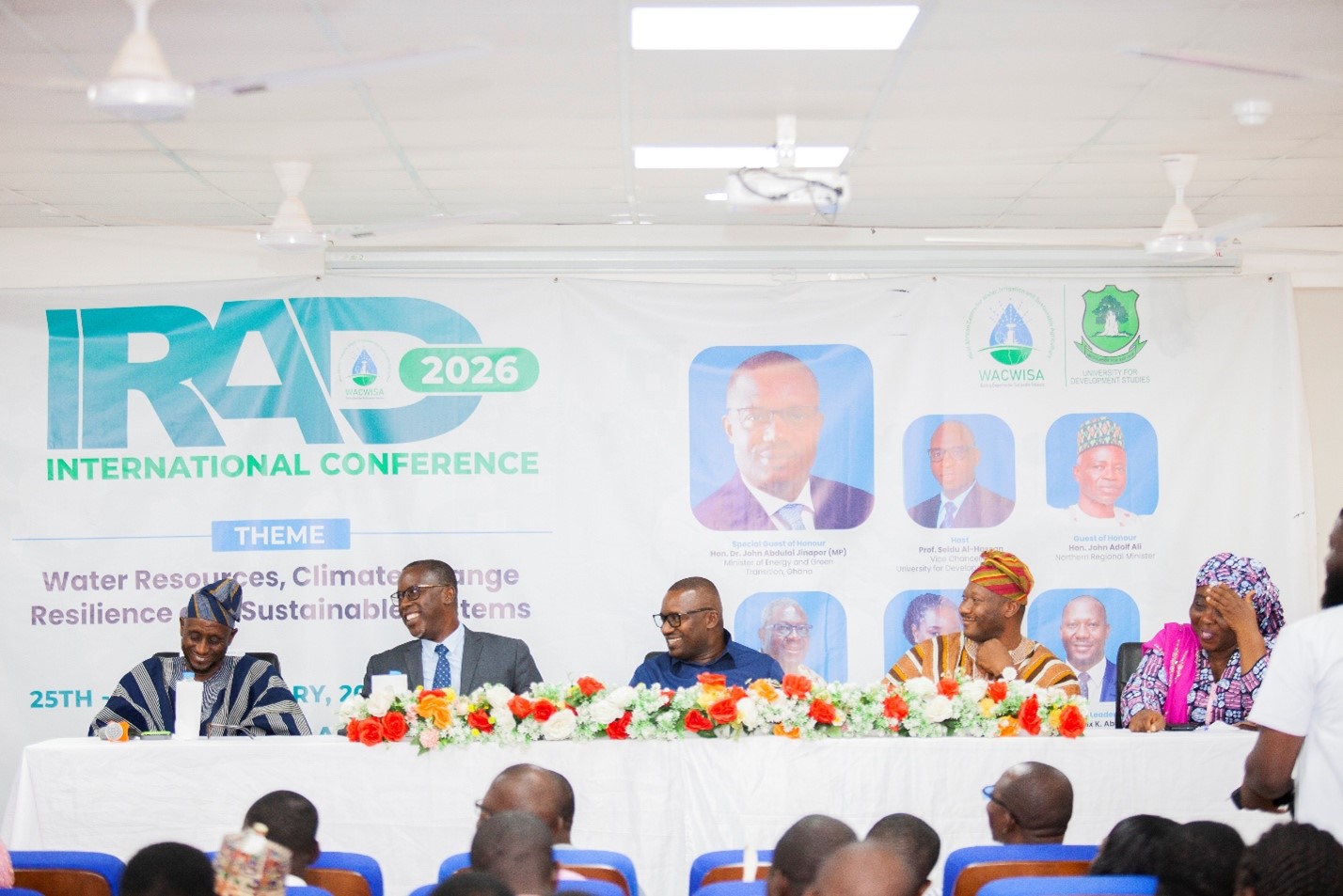
The University for Development Studies (UDS), through its West African Centre for Water, Irrigation and Sustainable Agriculture (WACWISA), has officially opened the IRAD 2026 International Conference under the theme “Water Resources, Climate Change, Resilience, and Sustainable Systems.”
The high-level conference brought together policymakers, researchers, development practitioners, industry players, and students from across Ghana and beyond to deliberate on integrated, systems-based approaches to addressing Ghana’s interconnected challenges in water security, climate resilience, energy sustainability, and food systems.
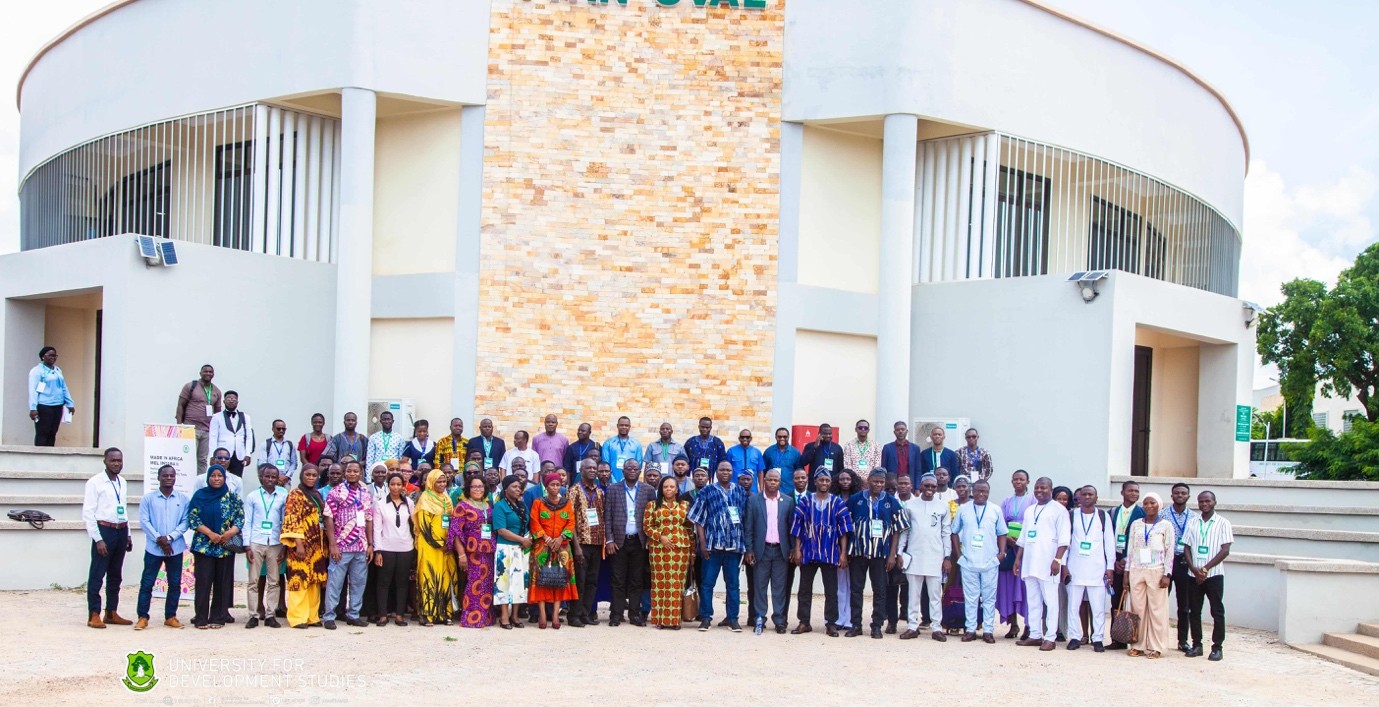
The event was well attended and marked by vibrant intellectual exchanges, expert-led sessions, commissioned keynote addresses, panel discussions, and student-centered academic activities whuich were all carefully designed to interrogate the conference theme from multiple perspectives.
The Principal, Prof. Mohammed Muniru Iddrisu, warmly welcomed delegates, researchers and participants to the event, expressing his profound excitement at the convening of minds from diverse disciplines. He highlighted the vital role that such interdisciplinary research gatherings play in addressing complex challenges facing communities locally and globally, underscoring the University’s commitment to fostering collaborative research that drives sustainable development.
In his address, the Director of WACWISA, Professor Felix Kofi Abagale, highlighted the Centre’s remarkable progress since its establishment in 2019. He noted that WACWISA has trained hundreds of postgraduate students from many African countries and several professionals across the continent.
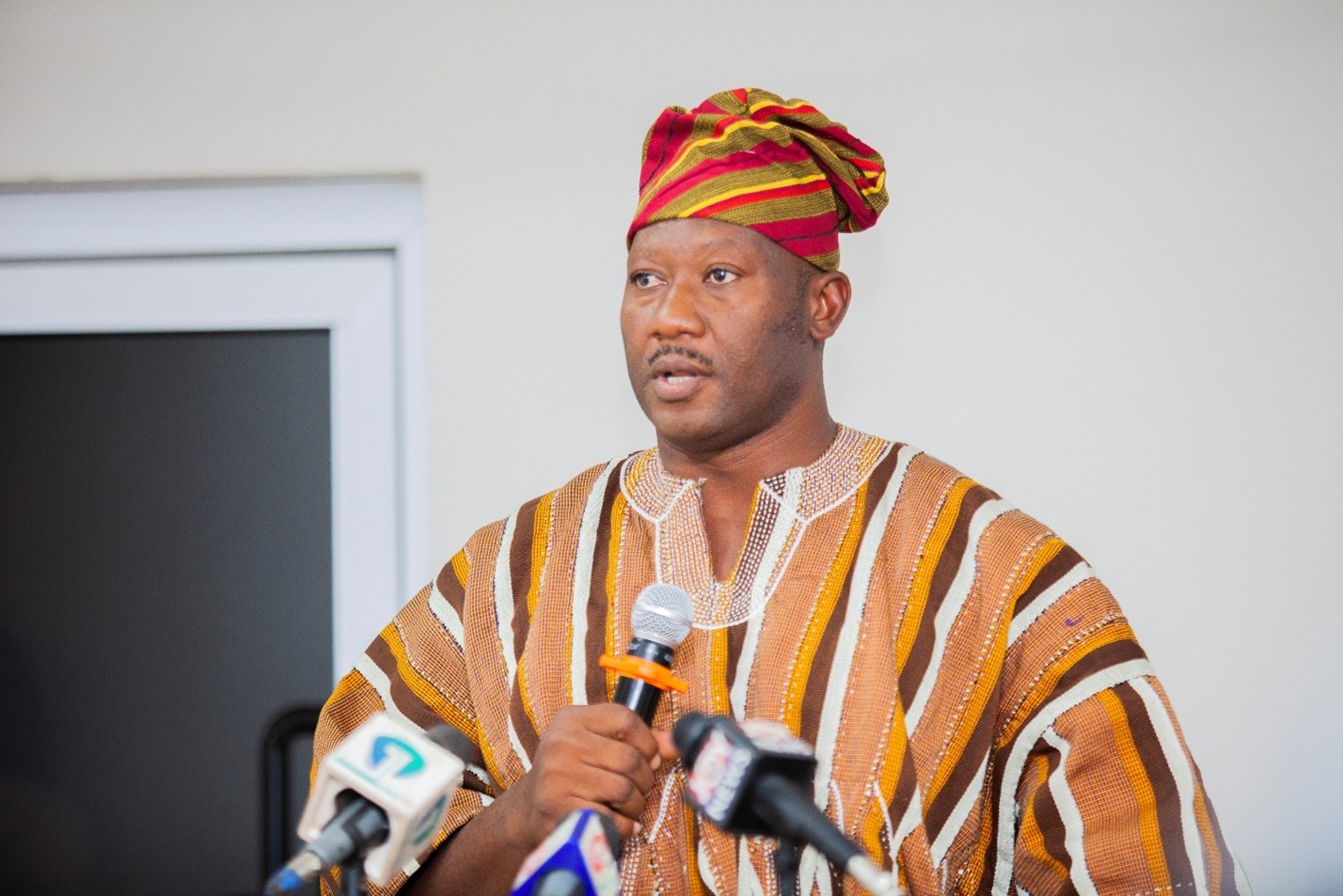
“Water, climate, energy, and food systems are deeply interconnected. Addressing them in isolation will not deliver sustainable outcomes,” Professor Abagale emphasized. “We must adopt integrated, science-driven and policy-relevant solutions to confront the growing threats of water pollution, river degradation, and climate impacts on agriculture and energy production.”
He further welcomed the passage of the Ghana National Research Fund Bill, describing it as a significant step toward strengthening research financing and supporting innovation in Ghana’s development agenda.
Delivering the keynote address, the Minister for Energy and Green Transition, Hon. Dr. John Abdulai Jinapor, underscored the urgency of sustainable development as central to Ghana’s future prosperity.
“Africa contributes the least to global emissions, yet suffers disproportionately from the impacts of climate change,” he stated. “Ghana’s reliance on rain-fed agriculture makes us particularly vulnerable. The time for integrated, climate-smart interventions is now.”
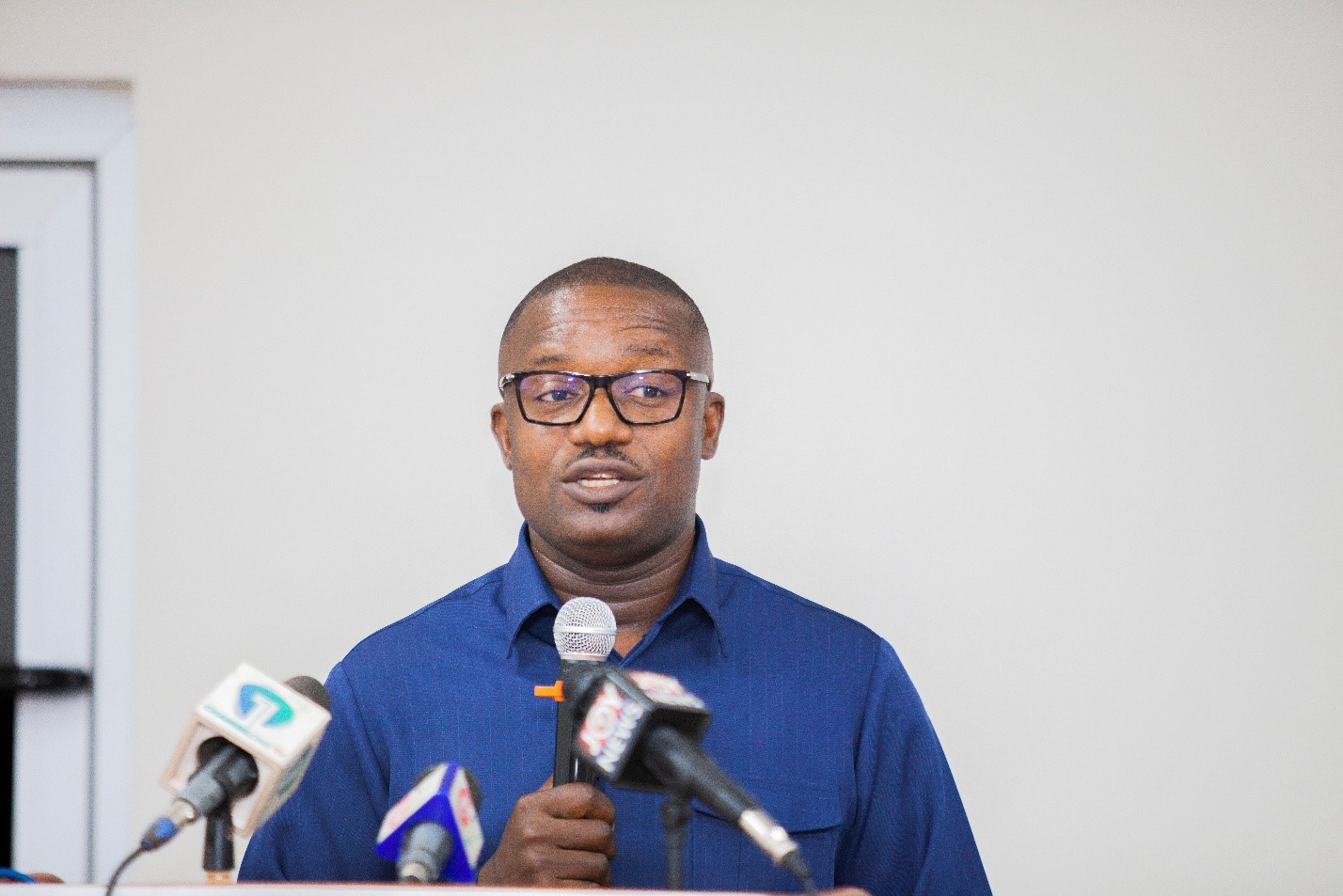
The Minister outlined government plans to scale up solar-powered irrigation systems, procure 200 megawatts of solar power, and implement reforms aimed at expanding affordable energy access nationwide. In a direct response to concerns raised by the University community, he pledged to resolve power supply challenges on the UDS campus within two weeks.
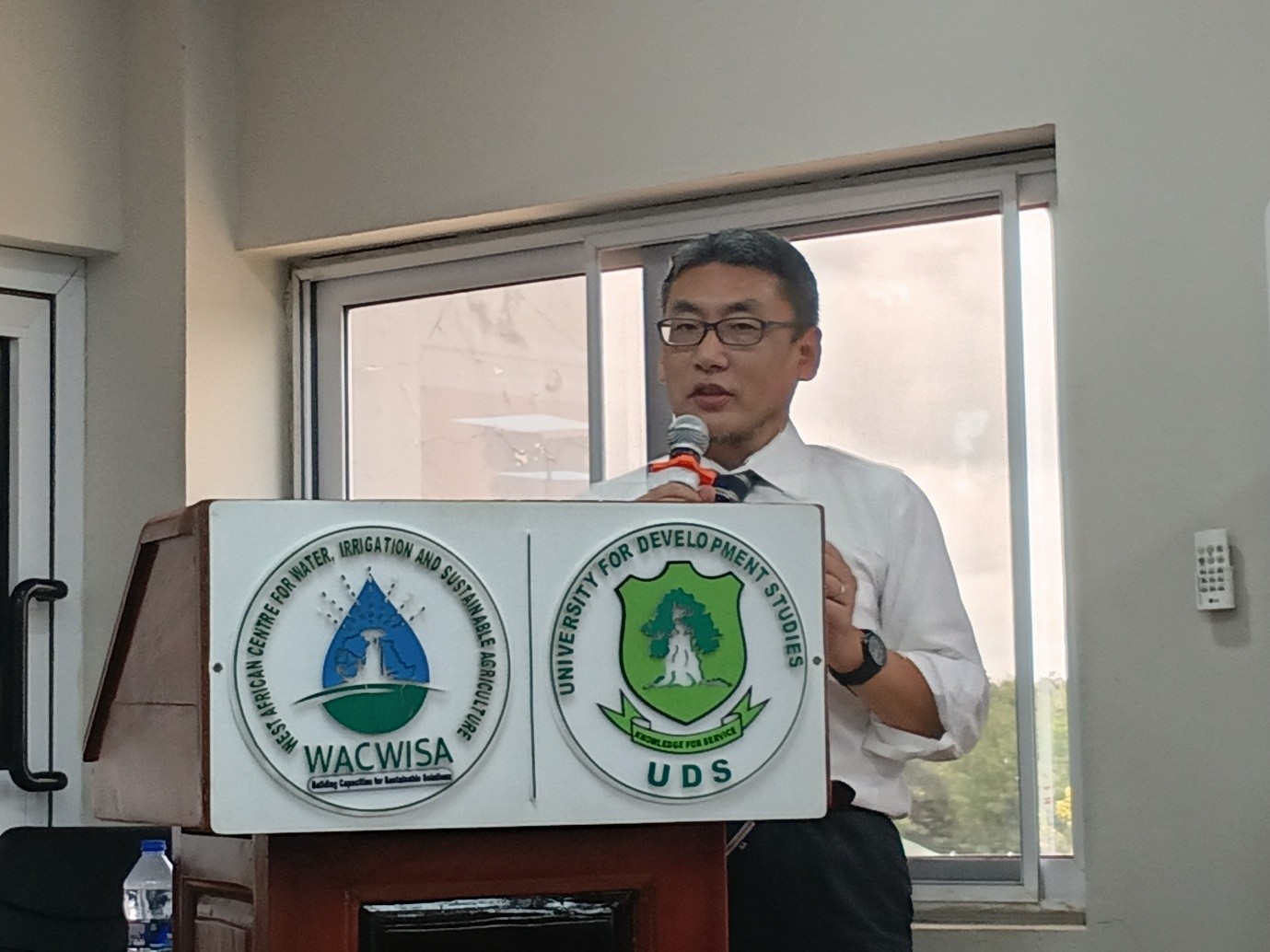
The conference featured several distinguished commissioned speakers who addressed the theme from diverse disciplinary and policy perspectives. Dr. Seyni Salack, Ag. Director of Research and Director of The Competence Centre at WASCAL, Ouagadougou, Burkina Faso, examined regional climate variability and the need for science-policy integration across West Africa. Dr. Eric Asuman, Director General of the Ghana Meteorological Agency, Accra, spoke on strengthening meteorological services and improving climate data systems to support national planning. Dr. Mawuli Lumor, Ag. Executive Secretary of the Water Resources Commission, Accra, emphasized sustainable water governance and regulatory frameworks for safeguarding Ghana’s river basins. Dr. Charles Abugre, Executive Director of International Development Economics Associates, delivered a thought-provoking presentation that interrogated the political economy of climate finance and development transitions.
Each speaker approached the theme through a distinct lens, science, governance, economics, policy, and regional cooperation, reinforcing the conference’s systems-based orientation.
A major highlight of the conference was a series of expert panel discussions that stimulated deep engagement among participants. Key topics included, Climate Change and Ghana’s Power Sector: Balancing Generation Mix, System Reliability, and Regional Supply and Co-development of Needs-Based Climate Services for Communities to Cope with Climate Impacts While Enhancing Food Security Panelists stressed the importance of diversifying Ghana’s energy mix, strengthening grid resilience, and fostering cross-border energy cooperation. Discussions also underscored the need to co-design climate services with communities, ensuring that farmers and vulnerable populations receive timely, actionable information to enhance adaptation and food security.
Participants described the sessions as “practical,” “forward-looking,” and “solution-oriented,” reflecting the conference’s strong emphasis on implementation.
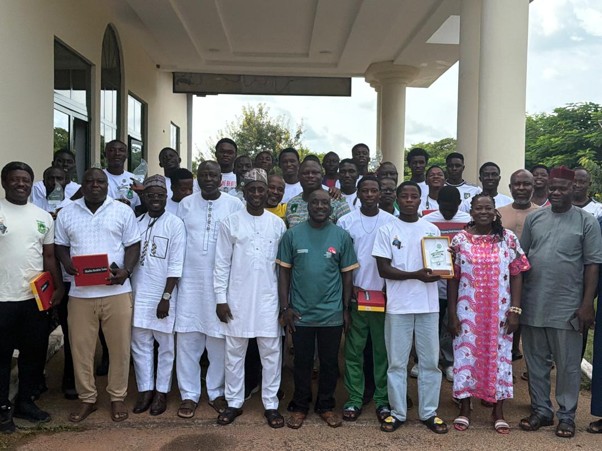
In a unique and engaging academic segment dubbed “My Thesis in 180 Seconds,” postgraduate students were challenged to explain their research within three minutes. The session drew significant attention as students demonstrated clarity, innovation, and confidence in communicating complex research findings to a broad audience.
The competition not only sharpened students’ communication skills but also showcased the depth of research being undertaken within WACWISA and the University. The three best presenters were awarded commemorative plaques in recognition of their outstanding performance.
Observers described the session as “inspiring” and “a testament to UDS’ commitment to nurturing the next generation of climate and water experts.”
The IRAD 2026 International Conference aims to produce actionable, collaborative solutions that strengthen water security, climate resilience, and sustainable development in Ghana and across Africa.
Participants expressed optimism that the conference would lead to strengthened partnerships between academia, government, and development agencies.
As the deliberations continue, UDS reaffirms its position as a leading institution in climate research, water resource management, and sustainable agricultural innovation in Africa.
Through WACWISA and strategic partnerships, the University remains committed to generating research-driven solutions that respond directly to the pressing development challenges of our time.
Story by: Humul-Kulsum Musah and Millicent Dahamani
UDS Media
View your student profile, register your courses, etc.
Access learning material on the University's e-Learning platform
Access the University library's resources
Search for and view staff profile