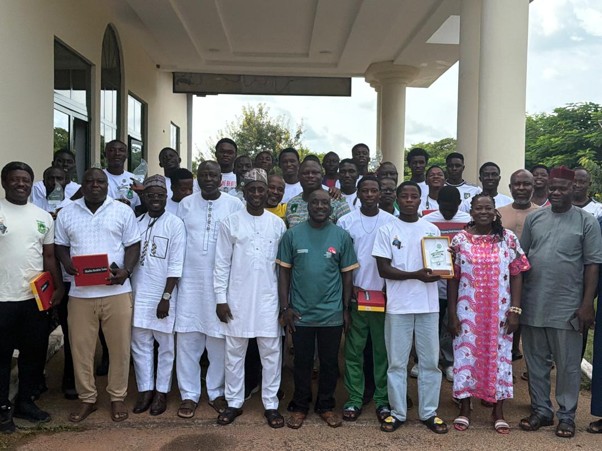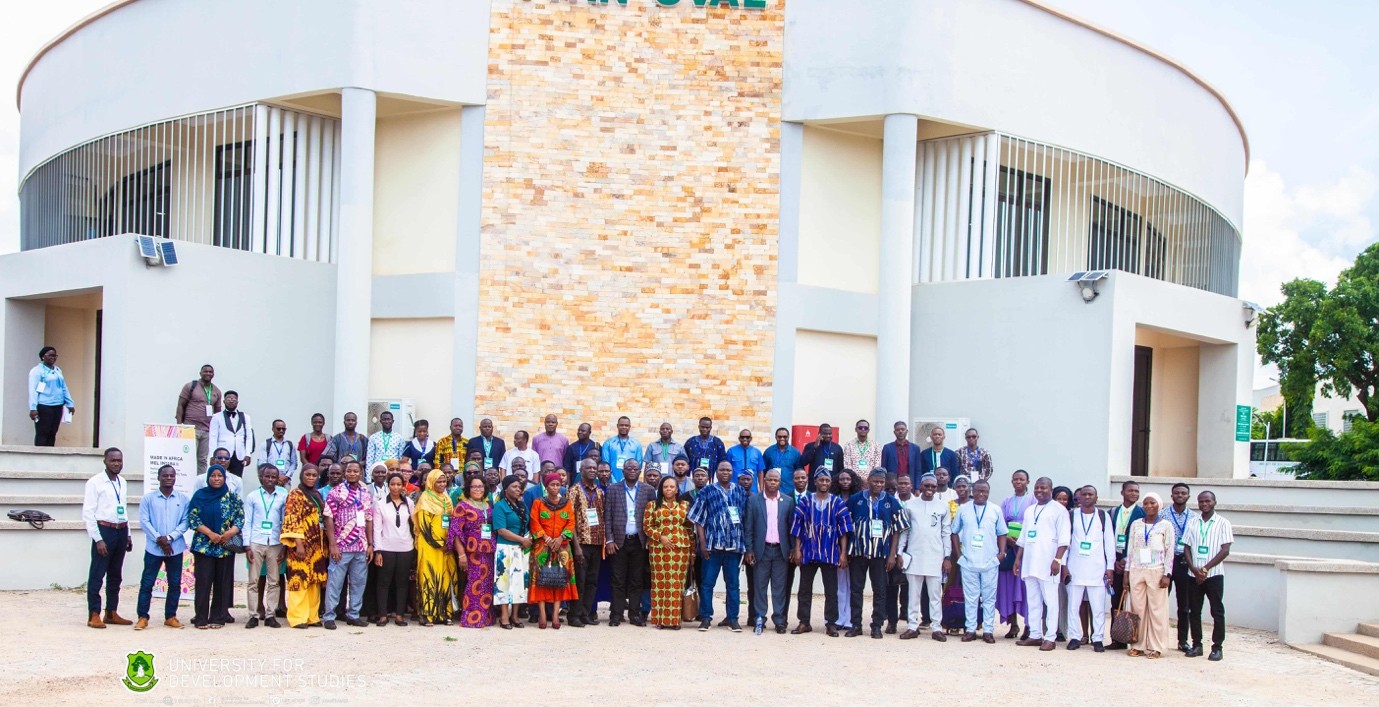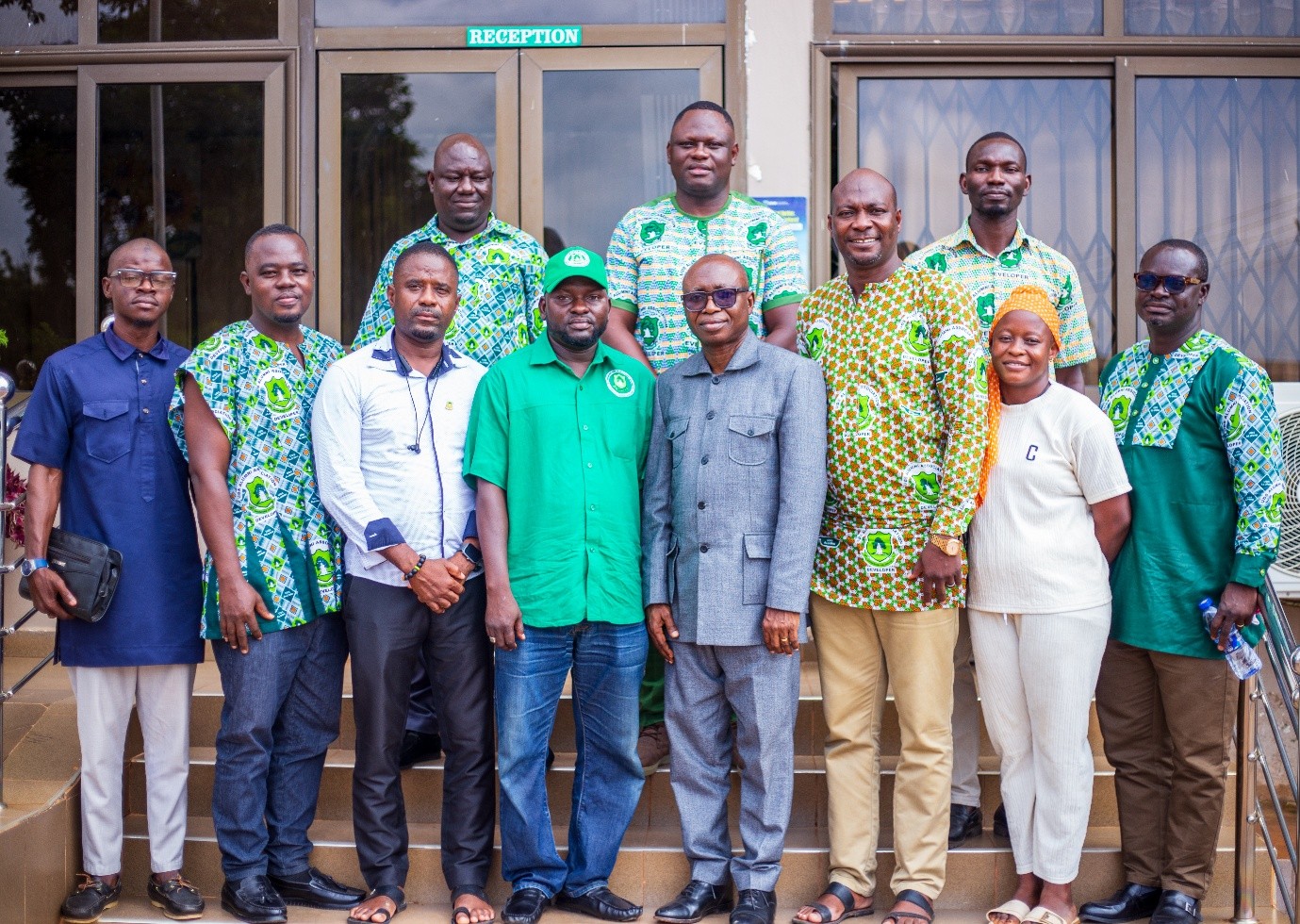
The vision of building a more cohesive, dynamic and impactful alumni network for the University for Development Studies (UDS) took another step forward as the National Alumni Association convened its national and chapter executives in Sunyani for an Orientation and Idea Mining Session.
The session, led by the National President, Mr. Paul Asianab, brought together members of the association’s leadership from across the country to reflect on the organisation’s direction, strengthen their leadership capacity and generate practical ideas capable of deepening alumni engagement and contributing to the development of the University.
Far from being a routine orientation, the gathering provided a platform for the executives to take a critical look at the future of the association and explore how the collective experience, expertise and networks of UDS graduates could be harnessed to create greater value for alumni, students and the University.
As part of the engagement, the leadership paid a courtesy call on the Vice Chancellor of the University of Energy and Natural Resources (UENR) Prof. Elvis Asare Bediako, where they congratulated him on his appointment as President of Vice-Chancellors Ghana (VCG) and sought his guidance as they embarked on the orientation programme.
The delegation also engaged the Alumni Association of UENR as part of efforts to foster familiarity, exchange experiences and explore opportunities for collaboration between alumni bodies.
At the heart of the Sunyani session was an “Idea Mining” exercise, which challenged participants to move beyond conventional approaches and generate concrete proposals for strengthening the association’s programmes and projects.
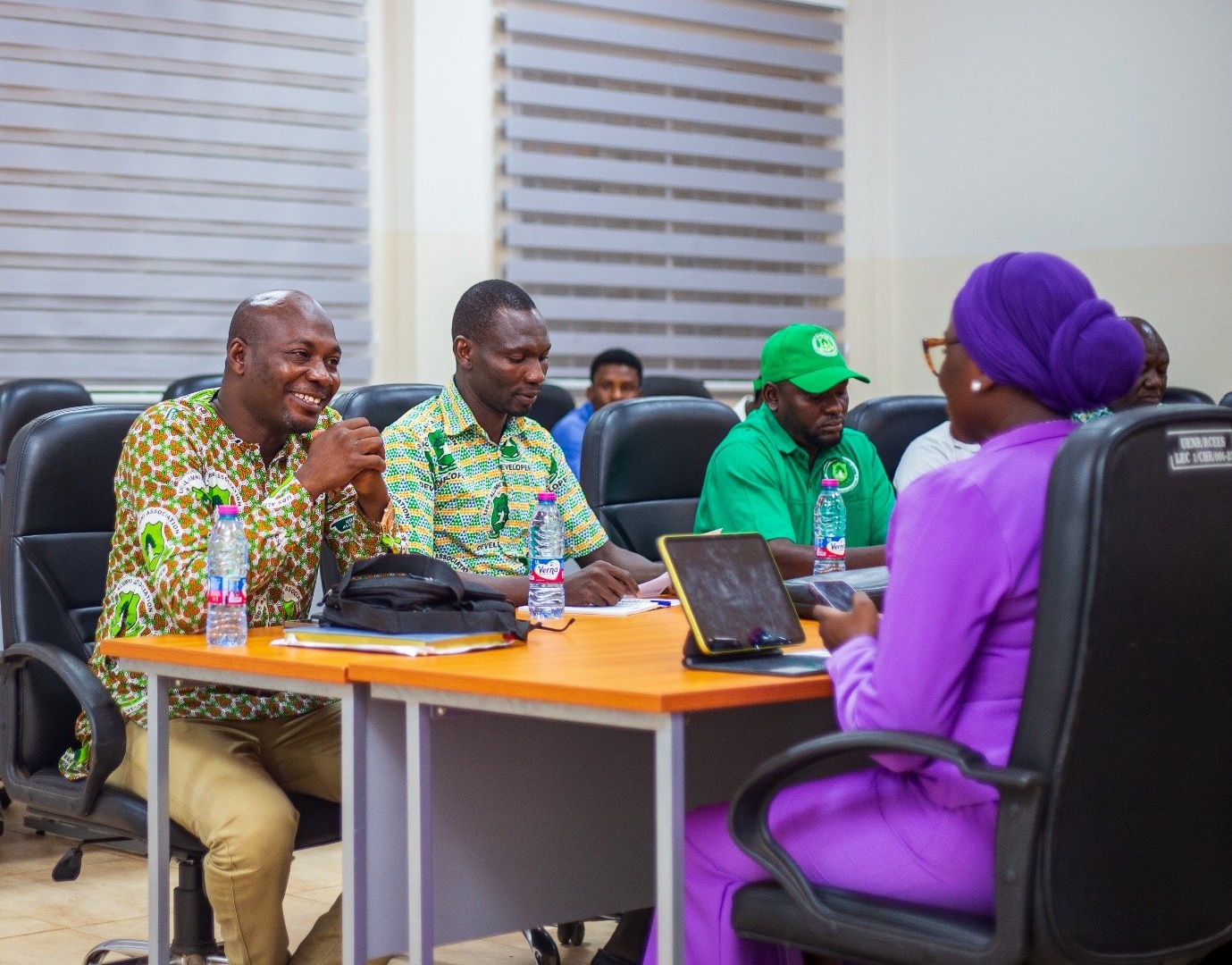
Discussions centred on a range of strategic areas, including expanding alumni membership and engagement, fundraising, mentorship for current students, career development and support, and building strategic partnerships.
The sessions provided executives with an opportunity to share experiences, identify challenges confronting alumni engagement and brainstorm innovative approaches that could be translated into practical initiatives in the coming year.
Addressing participants, the National President, Mr. Paul Asianab, underscored the importance of unity, collective responsibility and strategic planning in building an alumni association capable of making a lasting impact.
“This orientation is not just about induction. It’s about setting a clear direction and tapping into the collective experience of our executives to build a stronger UDS Alumni network,” he said.
His remarks captured the broader purpose of the gathering: to transform the association from a network of former students into a vibrant community of professionals who remain connected to one another and committed to the advancement of their alma mater.
The National Alumni Association reaffirmed its commitment to supporting UDS in its mission of producing graduates who contribute meaningfully to sustainable development. It also highlighted the need to create stronger platforms through which alumni can network, mentor younger graduates and students, share professional opportunities and give back to the University and society.
The session concluded with a number of resolutions aimed at translating the ideas generated into tangible programmes. In particular, chapter executives were tasked with sustaining regular engagements with alumni in their respective locations and strengthening the structures through which graduates can remain actively connected to the association.
The Sunyani gathering therefore marked more than an orientation for newly constituted executives. It represented a renewed effort to harness the strength of the UDS alumni community, build bridges across generations of graduates and position the association as an important partner in the University’s continuing development.
Story by: Hamdan Wumpeka Amadu
UDS Media
View your student profile, register your courses, etc.
Access learning material on the University's e-Learning platform
Access the University library's resources
Search for and view staff profile