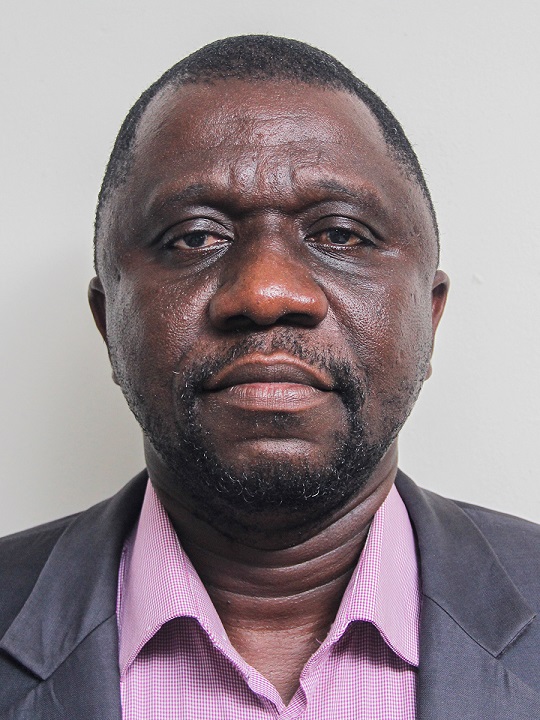
Professor Ebenezer Owusu-Sekyere is an academic, researcher, and higher education administrator. He is a professor in the field of Environment and Sustainability Science and serves as the Head of the Department of Environment and Sustainability Science at UDS, Nyankpala Campus.
His academic and professional work is centred on advancing knowledge and practice in environmental sustainability, climate change adaptation, natural resource governance, and sustainability education. He combines interdisciplinary research with policy-oriented approaches to address contemporary environmental and socio-economic challenges in Ghana and the wider African context.
Academic and Research Expertise
Professor Owusu-Sekyere’s research interests span several interconnected areas, including:
Contribution to Education and Teacher Professional Development
Beyond environmental science, Professor Owusu-Sekyere has made significant contributions to education policy, curriculum implementation, assessment reform, and teacher professional development in Ghana. His work has engaged with national education reforms, including:
View your student profile, register your courses, etc.
Access learning material on the University's e-Learning platform
Access the University library's resources
Search for and view staff profile